
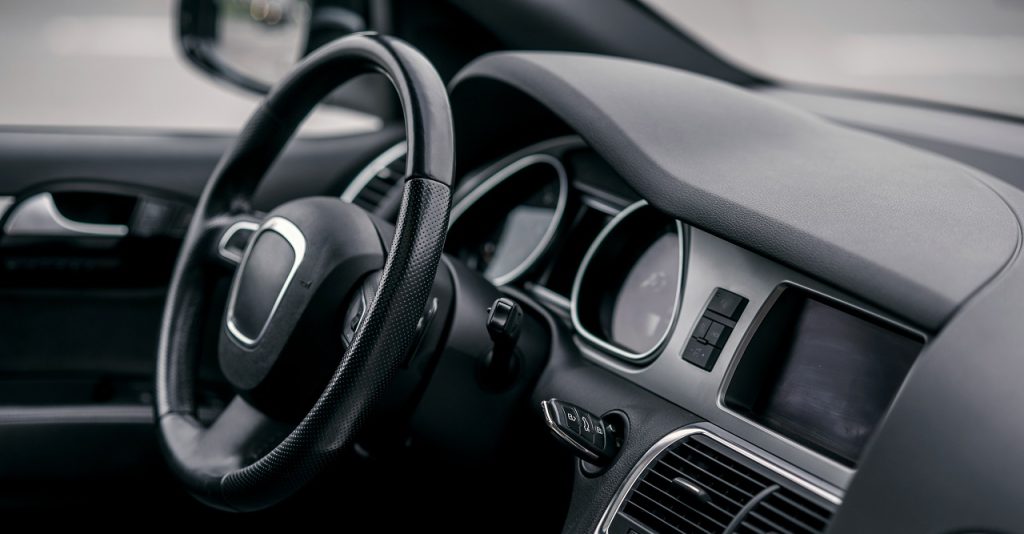
The automotive industry is undergoing rapid evolution, confronting numerous challenges in areas, such as design, safety, fuel efficiency, and cost-effectiveness. Addressing these challenges necessitates the development of innovative solutions, prominently involving engineering polymers, thermoplastics, and elastomeric compounds.
Certain automotive components must endure high temperatures, significant stresses, and chemically aggressive environments, to ensure optimal vehicle performance. The versatility of polymeric materials has greatly expanded design possibilities, facilitating the achievement of these goals.
Currently, polymers are extensively used in producing automotive components such as seat foam, thermal insulation foam, elastomeric hoses, tires, electrical components, interior trim, and other plastic parts.
2-1 Polymer Compounds
– Materials such as glass fibers and mineral fillers are often incorporated in the engineering polymer compounds. The polymers used in these products include polyamide (specifically PA-66), styrene-butadiene copolymer (SBS/SEBS), polycarbonate (PC), acrylonitrile butadiene styrene (ABS), and polybutylene terephthalate (PBT).
2-2 General-purpose Compounds
Compounds of general-purpose polymers are often enhanced with various additives, such as flame retardants and plasticizers, and are reinforced with glass fibers with or without other mineral fillers. Base polymers in this category include different types of polypropylene (PP), polyethylene (PE), polystyrene (PS), and polyvinyl chloride (PVC).
2-3 Rubbers
– Various types of rubbers are utilized in the design of automotive tires, O-rings, and hoses, including:
– Ethylene-propylene-diene monomer (EPDM)
– Silicone rubber
– Natural rubber (NR)
– Styrene-butadiene rubber (SBR)
– Butyl rubber (IIR)
– Nitrile rubber (NBR)
– Chloroprene rubber (CR)